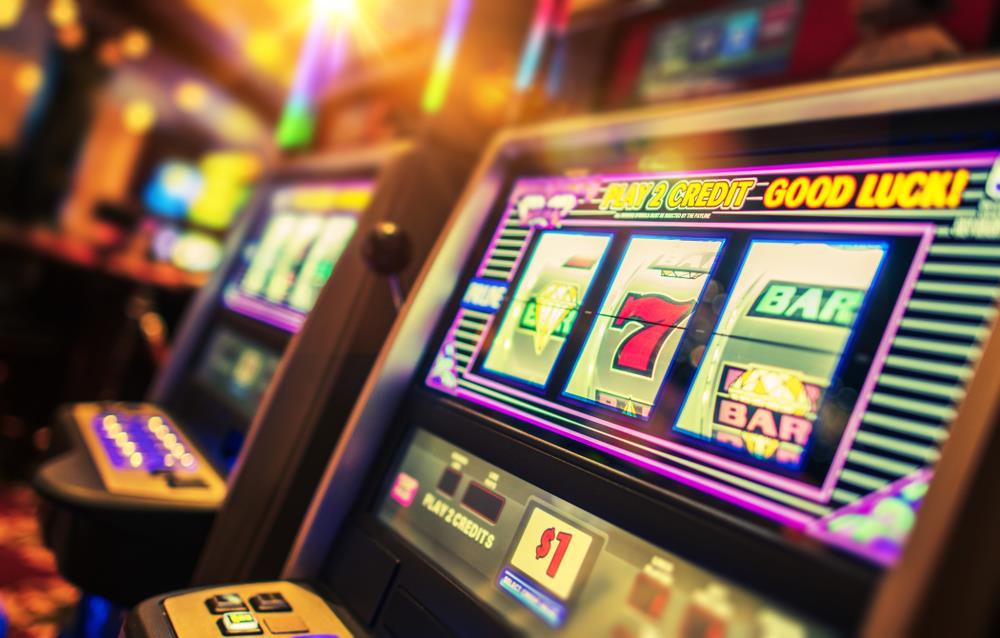

Slot machines are among the most recognizable and widely played gambling devices in the world. Found in casinos, entertainment venues, and increasingly online dnaslot login, slots combine simple gameplay with fast-paced excitement. Despite their simplicity, modern slot machines are powered by complex technology and probability systems that are often misunderstood by players.
This article explores what slot machines are, how they work, their history, and the key concepts that influence outcomes.
What Is a Slot Machine?
A slot machine (often simply called a “slot”) is a gambling device that generates random combinations of symbols when activated. Players place a bet, spin the reels, and win prizes if matching symbols land on active paylines according to the game’s rules.
Modern slots come in two main forms:
- Physical slot machines found in casinos
- Online slot games played on websites or mobile apps
Despite differences in appearance, both rely on the same core principle: randomness.
A Brief History of Slot Machines
The first slot machine was created in the late 19th century by Charles Fey in San Francisco. His invention, known as the “Liberty Bell,” featured three spinning reels and simple symbols like horseshoes, bells, and playing cards.
Over time, slot machines evolved significantly:
- Mechanical era (1900s–1960s): Fully physical machines with gears and levers
- Electromechanical era (1960s–1980s): Introduction of electrical components
- Video slots (1980s–present): Digital screens replaced physical reels
- Online slots (2000s–present): Internet-based gameplay accessible globally
Today’s slots often include advanced graphics, themes, animations, and interactive features.
How Slot Machines Work
At the heart of every modern slot machine is a system called a Random Number Generator (RNG). This software continuously produces random results, even when the machine is not being played.
When a player presses the spin button:
- The RNG selects a random number
- That number corresponds to a symbol combination
- The reels display the result instantly
This means every spin is independent—previous results do not influence future outcomes.
Key Concepts in Slot Games
1. Paylines
Paylines are patterns across the reels where matching symbols must land to win. Modern slots may have:
- Single paylines
- Multiple paylines
- Hundreds or even thousands of “ways to win”
2. Return to Player (RTP)
RTP is the theoretical percentage of total money a slot returns to players over time. For example:
- A 96% RTP means the game returns $96 for every $100 wagered (on average over a long period)
Important note: RTP does not guarantee short-term results.
3. Volatility (Variance)
Volatility describes risk level:
- Low volatility: Frequent but smaller wins
- High volatility: Rare but larger wins
- Medium volatility: Balanced gameplay
Players often choose based on personal preference and risk tolerance.
4. Bonus Features
Modern slot machines often include:
- Free spins
- Wild symbols (substitutes for other symbols)
- Scatter symbols (trigger bonuses)
- Mini-games or interactive rounds
These features add variety but still rely on randomness.
Myths About Slot Machines
Many misconceptions exist about how slots work:
Myth 1: “A machine is due for a win”
False. Each spin is independent due to RNG systems.
Myth 2: “You can predict patterns”
Also false. Outcomes are not based on cycles or memory.
Myth 3: “Betting more increases chances of winning”
While higher bets may unlock certain features, they do not improve odds of a spin result.
Online Slots vs. Physical Slots
Online slots have become extremely popular due to convenience and variety.
Online slots:
- Thousands of themes available
- Play anytime, anywhere
- Often include advanced animations and features
Physical slots:
- Found in casinos
- Provide a more social, real-world experience
- Simpler interface compared to online versions
Responsible Gaming Considerations
Slot machines are designed for entertainment, but they involve financial risk. Key responsible gaming practices include:
- Setting a strict budget before playing
- Avoiding chasing losses
- Taking regular breaks
- Understanding that outcomes are random
The entertainment value should always be prioritized over expectations of profit.
Conclusion
Slot machines have evolved from simple mechanical devices into sophisticated digital games powered by advanced algorithms and immersive design. While they are easy to play, understanding how they work—especially concepts like RNG, RTP, and volatility—can help players make more informed decisions.